Skip to content

Clear communicationFree inspections

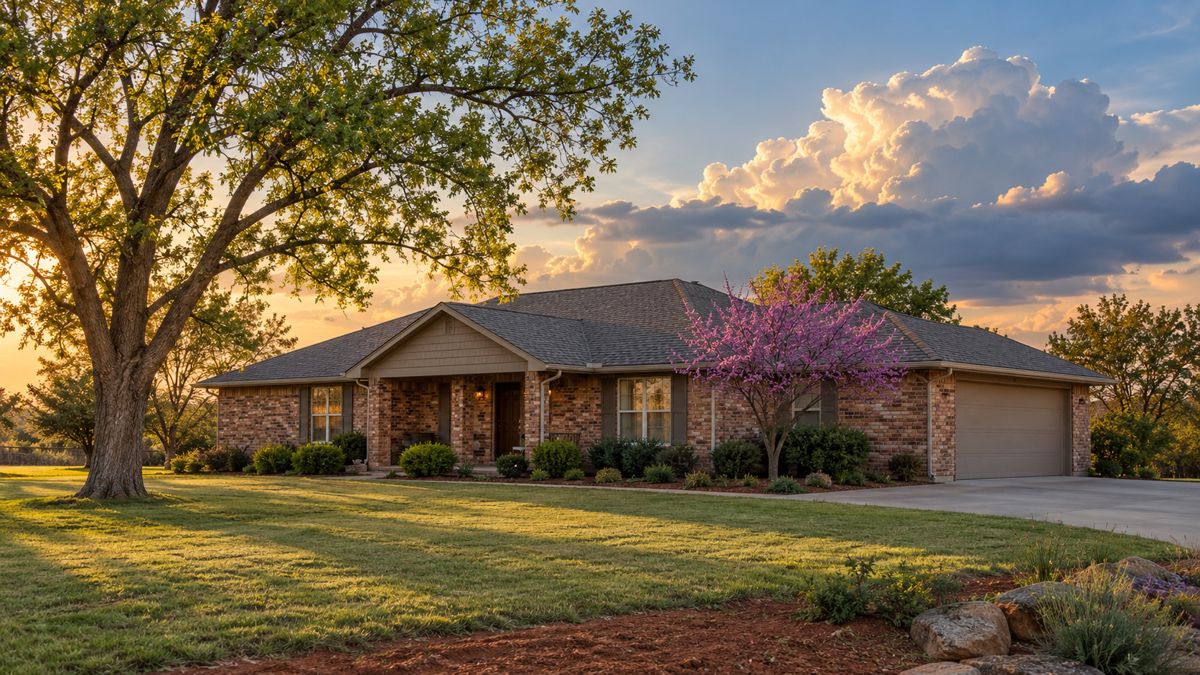
Brick ranch house with new gray shingle roof under a big Oklahoma sky

Post-war ranch homes and layered roofs

Roofing contractor in Midwest City, OK

Roof replacement, repair, hail damage work and inspections for Midwest City homes. Request an estimate and we will confirm availability.

  • Repair, replacement and inspection
  • Help after hail and wind storms
  • Written quote before work starts
Clear communication
Free inspections
Written estimates
Local crew

Ranch homes of the post-war years and their roofs

Midwest City grew up around Tinker Air Force Base, and many neighborhoods feature single-story ranch homes built in the decades after the war. These houses typically have broad, low-pitched hip or gable roofs, modest overhangs and attics that were designed before modern ventilation standards.

After a long life, the roof on such a house is rarely the original. It has probably been re-covered more than once, sometimes with a new layer laid over the old. That adds weight, traps heat and hides what is beneath. Roofs that are nearly flat in places also drain slowly, so small flaws let water linger. We begin by looking at the number of layers, the condition of the flashing and how water leaves the roof.

Old decking, hot attics and what shows up at tear-off

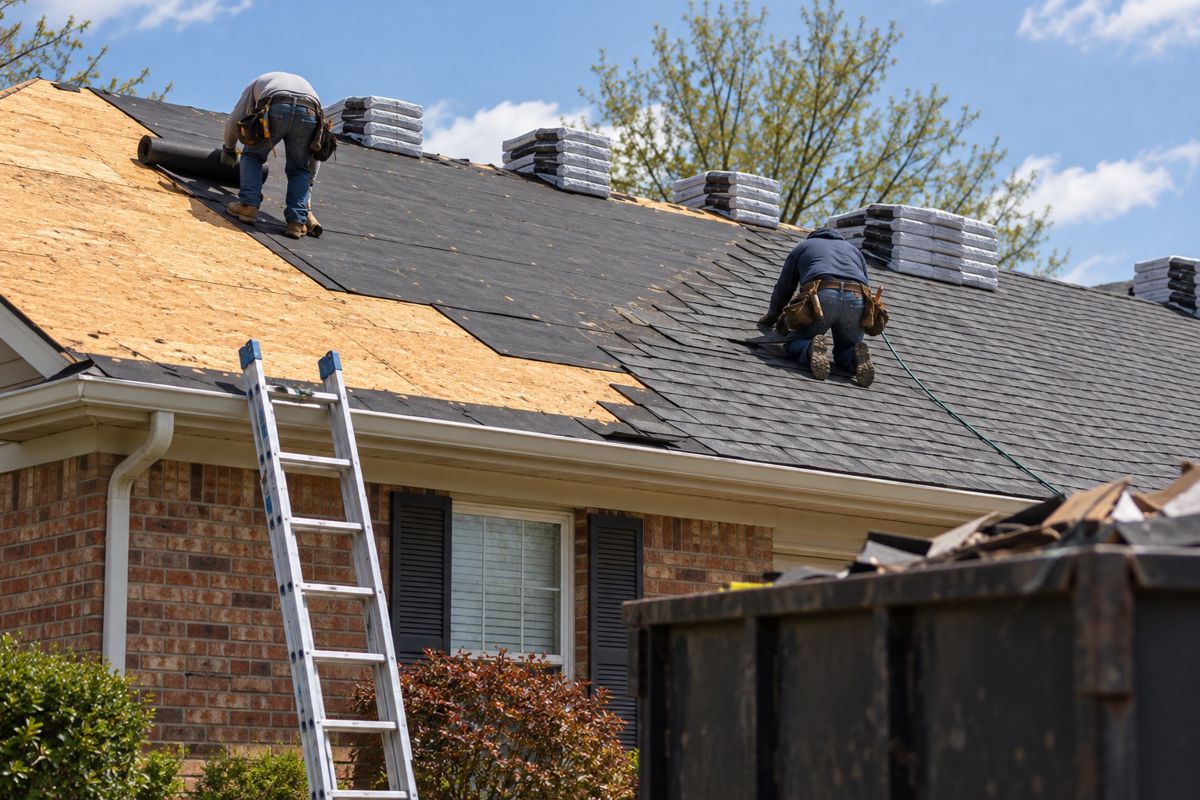
Many ranch homes from that era were built with plank-style decking rather than the sheet panels common today, and the spacing between boards can leave gaps. When old shingles come off, boards may be cracked, stained or loose. Sometimes decking needs patching before new underlayment can go down.

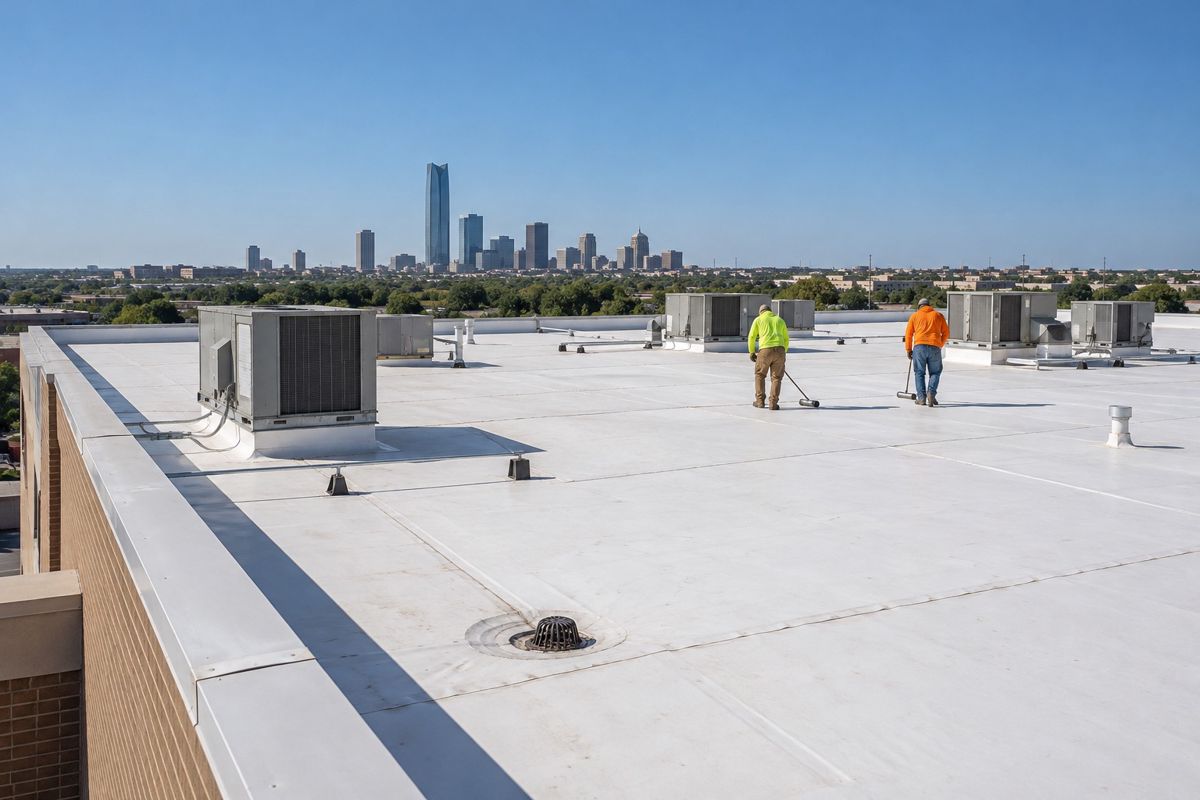
Attics in these homes tend to run hot in summer because intake and exhaust vents are small or missing. Heat is hard on asphalt shingles, and it also drives up cooling costs. Spring hail and wind add to the wear. Because Interstate 40 and Reno Avenue run through the area, we also see many commercial buildings with flat or low-slope roofs that deal with ponding after storms.
Our roofing services for Midwest City properties

We serve Midwest City homeowners and building owners with each of the following services.

A leak found on one house of a given design is often worth checking on similar neighboring houses, and we are glad to talk through how to approach that.

On a low-pitch ranch roof the usual rules shift a little, and the written estimate should reflect it.

  • Slope. Shallow pitches may need special underlayment, because water runs off slowly.
  • Layers. Each extra layer adds work and disposal.
  • Decking repair. Boards can be replaced one by one, and the final count is known at tear-off.
  • Ventilation. New vents help an older attic breathe, and they affect shingle life.

We explain which of these apply to your home, and we describe how any extra decking would be handled.

Where a hidden problem appears, we photograph it and explain the fix before continuing.

Insurance, buyers and sellers of older homes

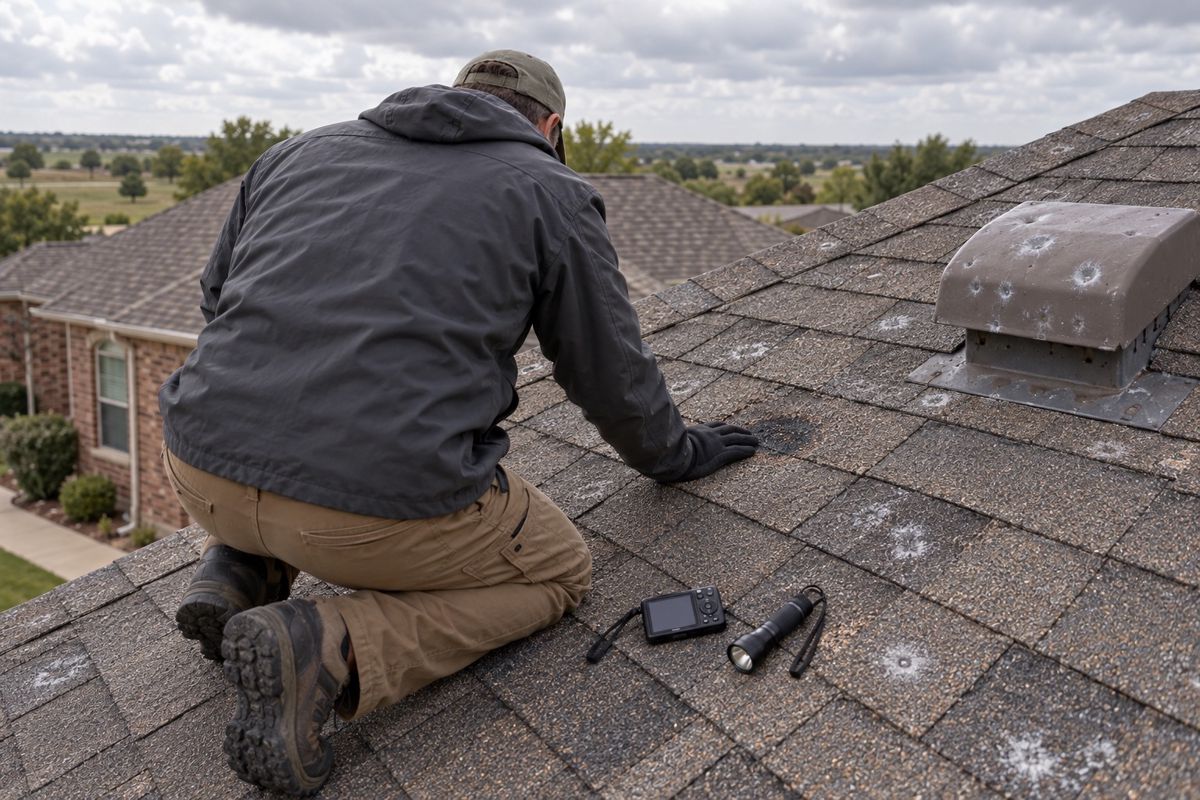
Roof age matters when an older home is bought or sold. Buyers and lenders in the metro often ask about the roof's age and condition, and an insurer may inspect it before offering coverage or setting a deductible. A roof inspection with photographs gives you a record to share.

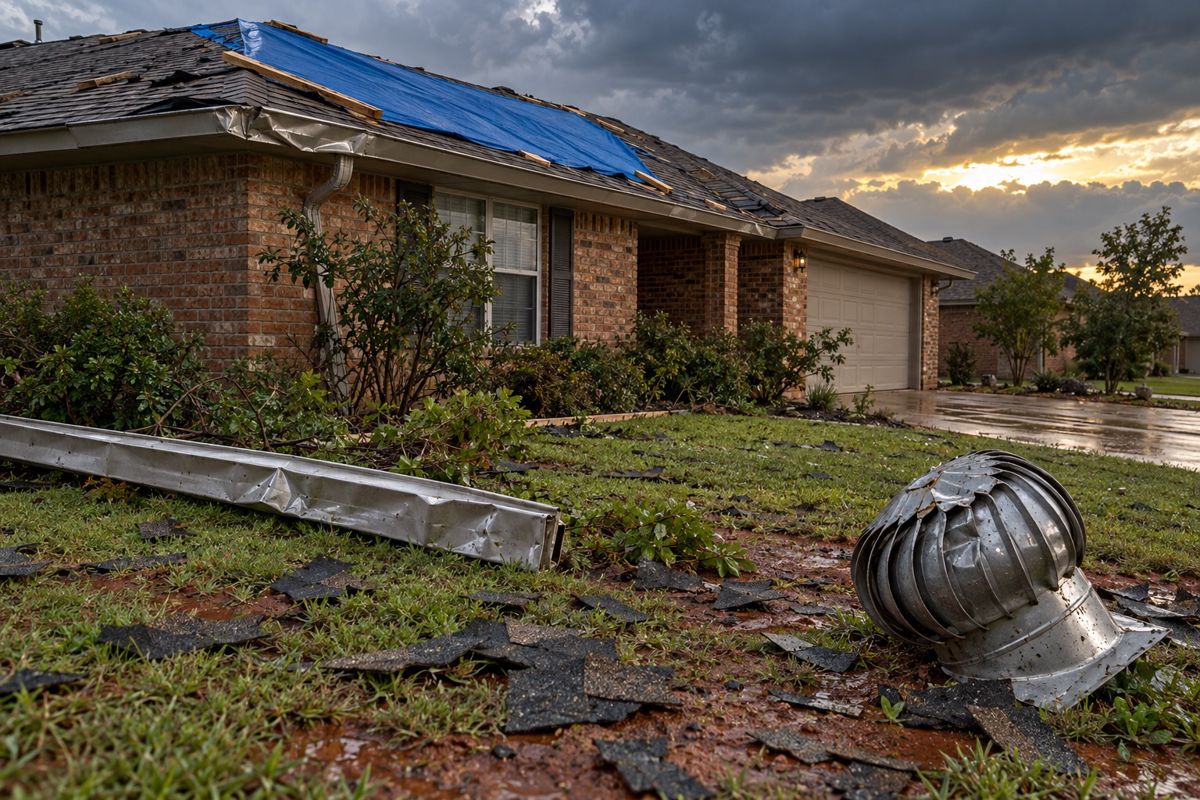
For storm damage, review your policy. Wind and hail deductibles are often a percentage of the home's value, and some policies pay less on older roofs. Photograph damage and keep receipts for emergency work.

The city may require a permit for replacement, and we explain the work so the right office has the details.

Asking for a Midwest City roof estimate

Use the form or call (405) 555-0112. We serve Midwest City and the nearby area, and the request is how we confirm availability.

  1. Tell us about the roof: age, layers if known and what is wrong.
  2. Say whether you are staying in the home or preparing to sell.
  3. Send photos of the roof, the attic if you can reach it, and any stains.
  4. Tell us about any hail or wind event.
  5. We inspect and send a written estimate with options.

Please contact us if you need to ask a question first.

Get a quote in Midwest City

Tell us what you need and we call you back.

No obligation.

Step 1 of 3

What do you need?

Questions about Midwest City

Can new shingles go over my old ones?

Sometimes, depending on local rules and the condition of the existing roof. Covering old shingles hides problems, adds weight and can shorten the life of the new layer. Many contractors recommend removing old material to inspect the deck. We look at your roof and explain what makes sense. Where a second layer already exists, adding a third is rarely a good idea.

My ranch roof is low pitch. Does that limit shingle choices?

Very low slopes may call for specific underlayment or a different roofing type, because water drains slowly. Standard shingles have minimum slope requirements. We measure the pitch and explain which materials are appropriate before an estimate is given. Some very shallow sections on ranch homes are better suited to a membrane roof than to shingles, which we can discuss.

Why is my attic so hot in summer?

Small or blocked vents and thin insulation let heat build up. That wears shingles faster and raises cooling costs. Adding intake and exhaust vents, or a ridge vent, may help. We look at the attic during an inspection and tell you whether ventilation should be part of the roof job.

Will my insurer cover an older roof?

It depends on the policy. Some insurers pay less for older roofs, set higher deductibles or ask for an inspection. Read the policy and ask your agent directly. A roof inspection report with photos can support the conversation, and it helps you plan upgrades. Ask for the policy's roof age rules in writing, so there are no surprises after a storm.

What if the decking is bad when the old roof comes off?

Damaged boards are replaced before the new roof goes on. The count is not known until tear-off, so we explain how extra decking would be handled and what it adds. We take photos of any problem areas so you can see what was found. That documentation also helps if you later need to explain a charge to your insurer.